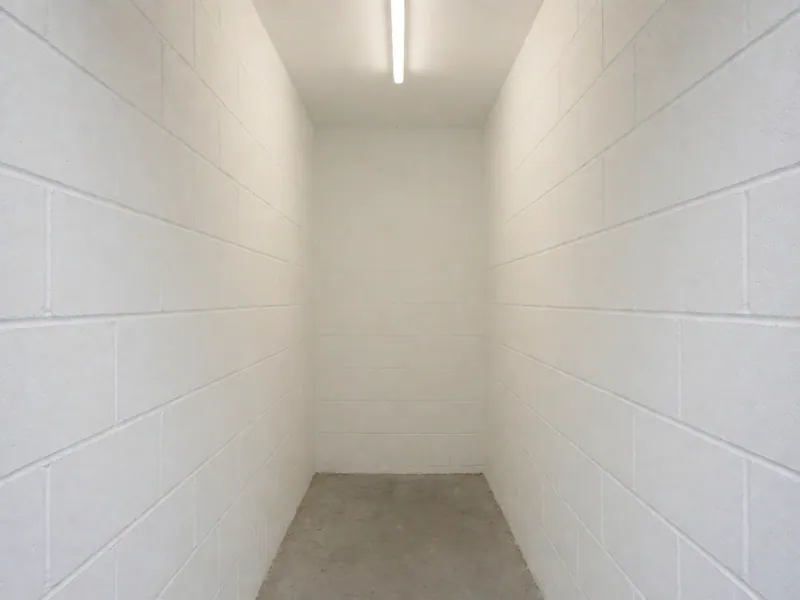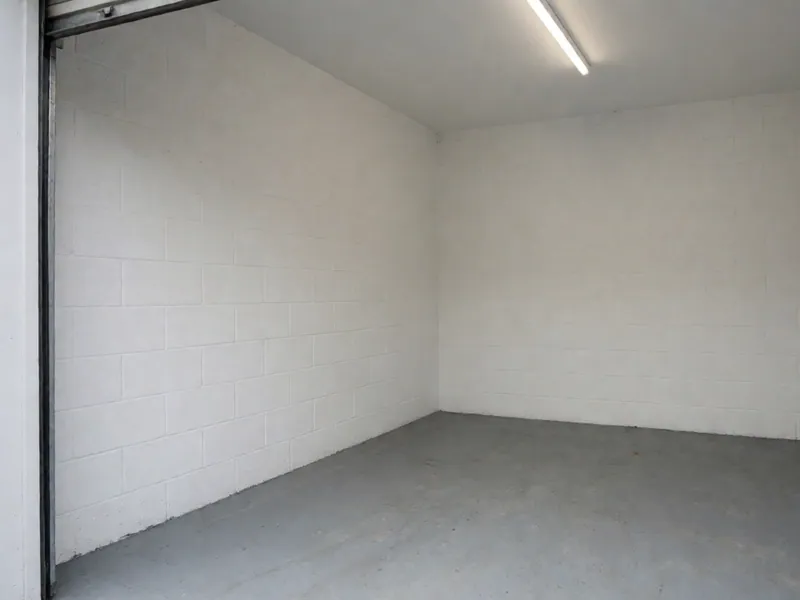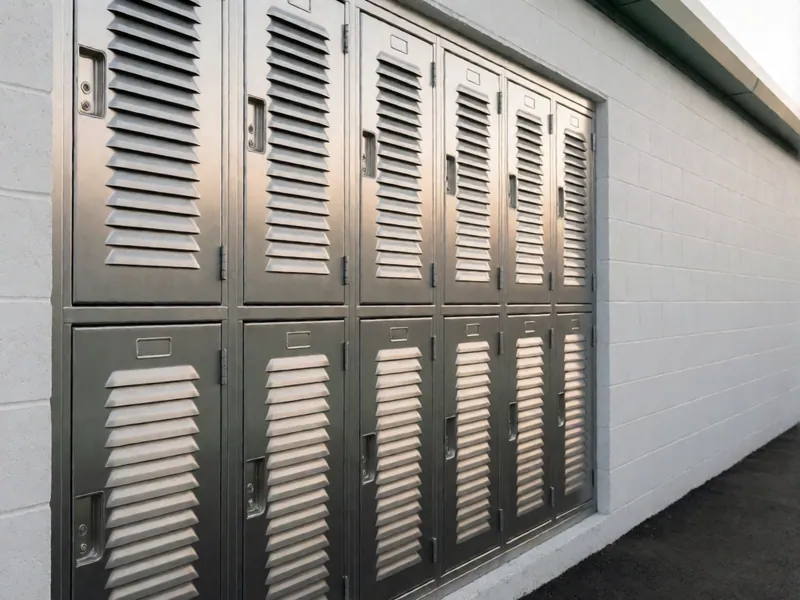
16 sq ft · Climate controlled
Locker
A locked box at chest height, for papers and a season's clothes.
$40 a month · $20 for the first
37-32 61st Street, Woodside, NY 11377
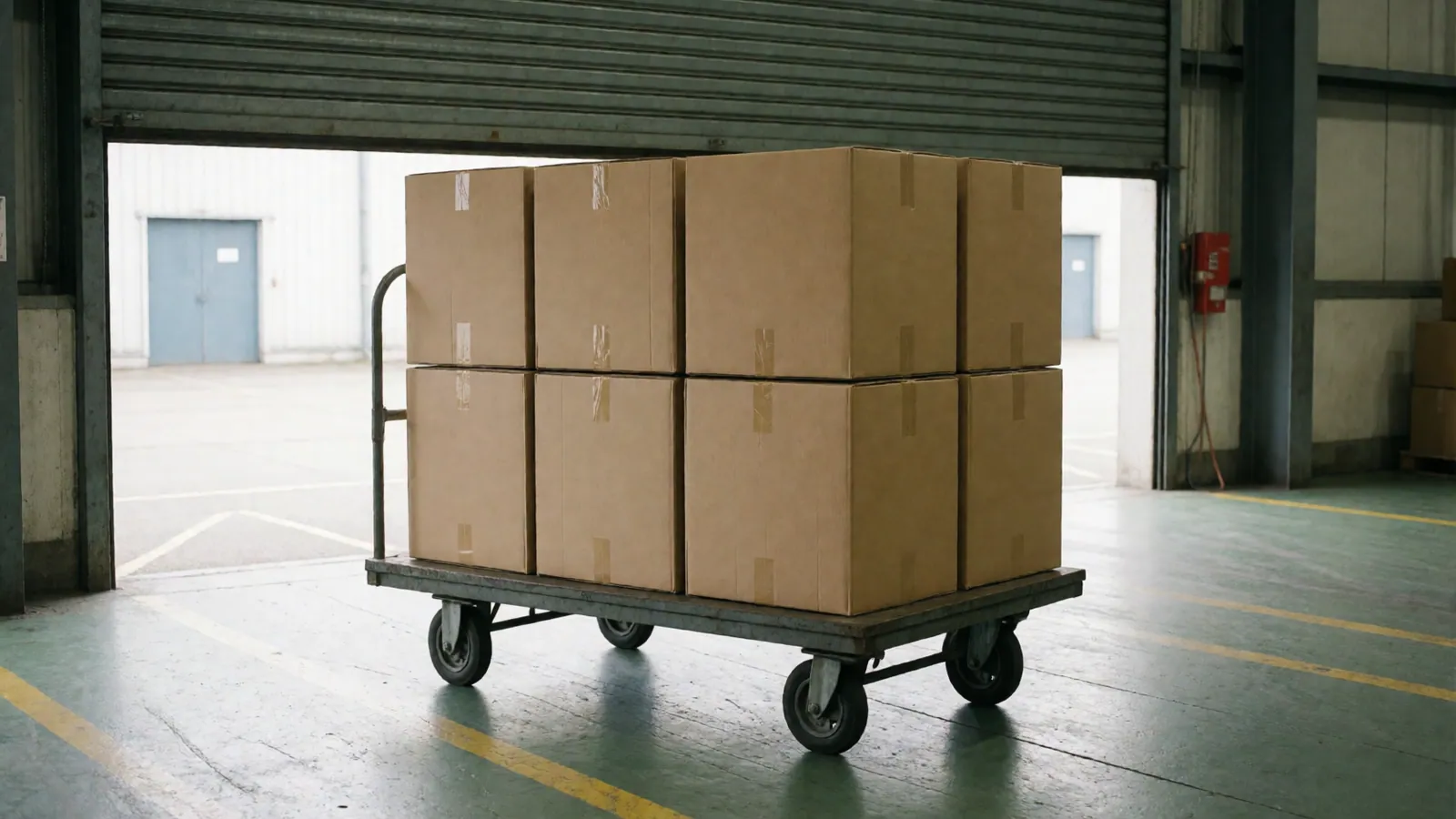
What we store
Stock, records, samples and tools, with a real desk that signs for a delivery during loading-bay hours — and no card form standing between any of it and a person.
Retail overflow and seasonal stock are the single biggest category, followed closely by whatever a contractor cannot leave loaded in a van on a Queens street overnight — tools, materials and the things a plumbing or electrical business needs on site tomorrow and nowhere to leave today.
Sales samples, trade-show stands and banners that only come out twice a year, and e-commerce inventory a small seller is picking and packing themselves all belong here as naturally as a household move does. A unit rented for a business is a low-cost stockroom in a neighbourhood with no room for one at street level.
Archived records are their own case. A locker is built for exactly this — the paper a business is expected to keep on hand for years, without paying for the floor space of a unit built for furniture.
Seasonal display is the fourth case and the easiest to underrate: the tree village a shop puts up in November, or the folding tables and the banner a market stall needs for one Saturday and nothing for the other fifty-one. It is worth owning and not worth heating a back room for all year.
A carrier can be signed for here on your behalf, without you having to be on the premises when the van arrives. The arrangement is plain rather than automatic.
Loading-bay hours are not the same as office hours, and that difference is usually the one a business reader actually needs:
| Monday | 7 am to 7 pm |
|---|---|
| Tuesday | 7 am to 7 pm |
| Wednesday | 7 am to 7 pm |
| Thursday | 7 am to 7 pm |
| Friday | 7 am to 7 pm |
| Saturday | 8 am to 5 pm |
| Sunday | 10 am to 2 pm |
The bay opens two hours before the office does on a weekday, which is the gap that matters to anyone whose supplier ships early. There is no fee for any of this — using the desk, the trolleys or the bay costs the same nothing it costs anybody moving a sofa.
That early start is usually what decides it for a contractor, more than anything else on this page: not how late the gate stays open at night, but how early somebody is behind the counter to sign for a van full of fittings before the rest of the street has opened.
A name can be added to or removed from the agreement at the counter with identification, so an employee can collect a delivery or open the unit without the owner standing there every time — added by nobody over the telephone, ever, which is the same rule that protects a household tenant's unit.
Paper, electronics and textile stock all behave the same way here as anywhere else in the building: badly, if a season goes by in an uncontrolled room. A locker or a 5 x 10 on the controlled floors is the size most small businesses actually take, for exactly that reason.
None of this requires a lease of its own or a second address to run a business from. It requires a locked door, a desk that will sign for a box, and a rate that does not change because the name on the agreement ends in “LLC” instead of a person's own.
The line the agreement draws. Storing stock is the whole of what a unit here is for. Running a business out of it — seeing customers, keeping regular hours, installing equipment or doing work inside it — is not, for the same reason nobody is allowed to live in one: a storage unit has no ventilation, one door, and a lock that only opens from outside.
A locker for the archive, a 5 x 10 or a 10 x 10 for stock, and a drive-up bay for whatever moves weekly.
16 sq ft · Climate controlled
A locked box at chest height, for papers and a season's clothes.
$40 a month · $20 for the first
50 sq ft · Climate controlled
The size most people actually take.
$120 a month · $60 for the first
100 sq ft · Climate controlled
A small bedroom, emptied into a room of its own.
$220 a month · $110 for the first
200 sq ft · Not climate controlled
Back the van up to the door and unload straight in.
$360 a month · $180 for the first
The rest of what this building does, one page each.
Six of the eight sizes, on four controlled floors.
Ground-level bays with no lift between the van and the door.
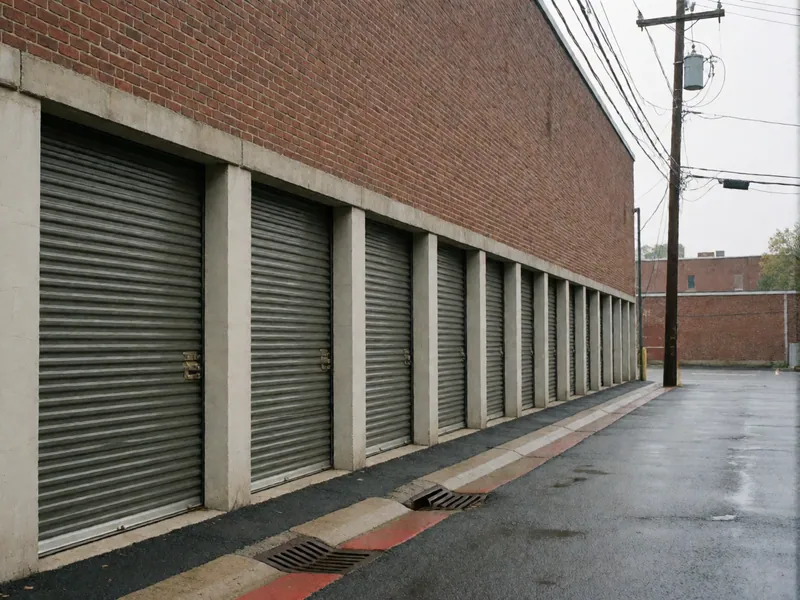
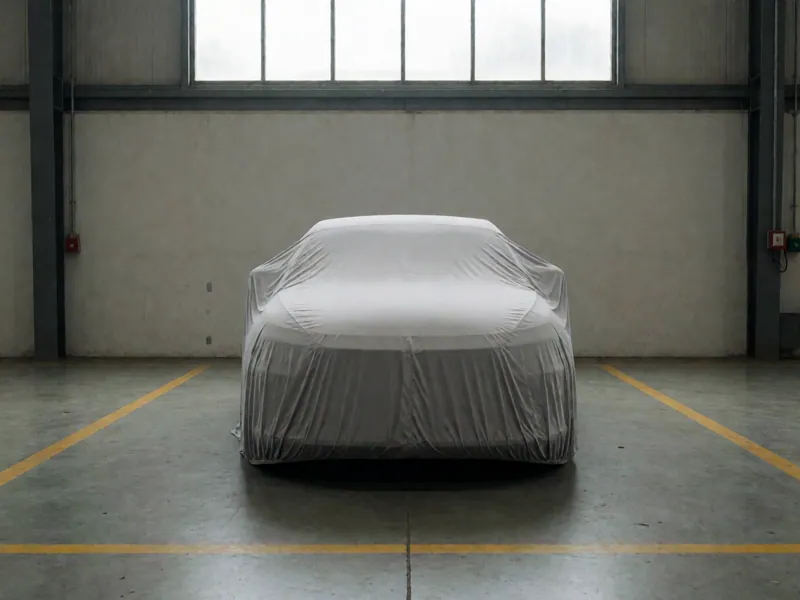
A covered car or two motorcycles, in a drive-up bay.
The gap between a lease that ends in May and one that starts in August.
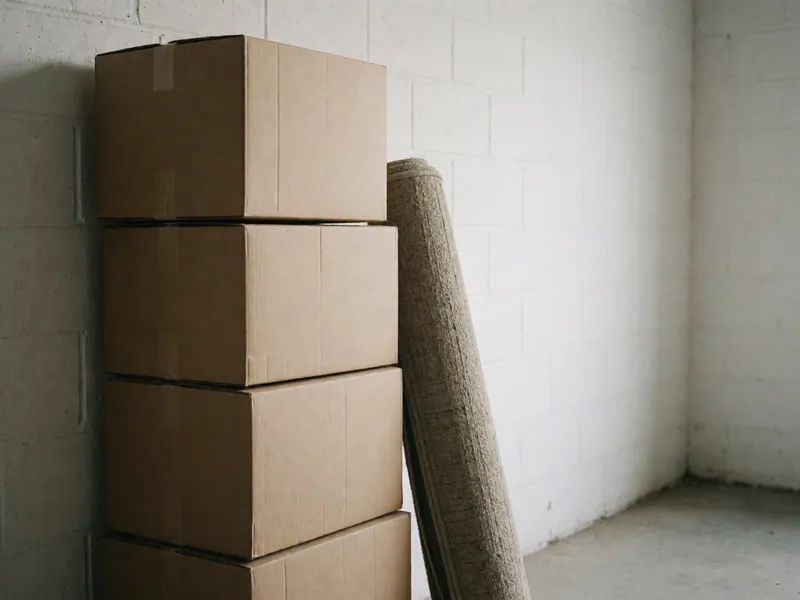
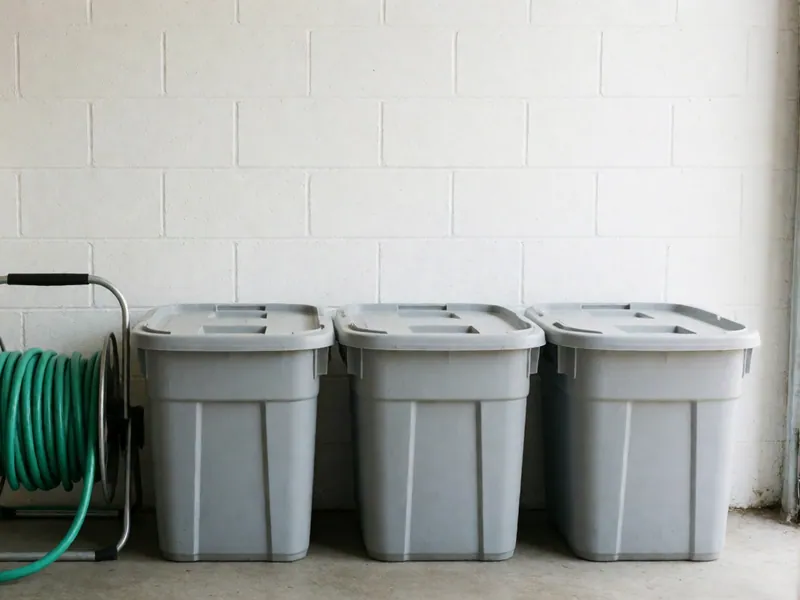
Coats, skis, patio furniture and the boxes that live in a hallway.
Pick a size and a move-in date in the next thirty days, and one unit of that size comes out of the pool and waits for you. Nothing is paid, nothing is signed, and the form will not offer you a day on which that size is full.