Office hours 000-000-0000
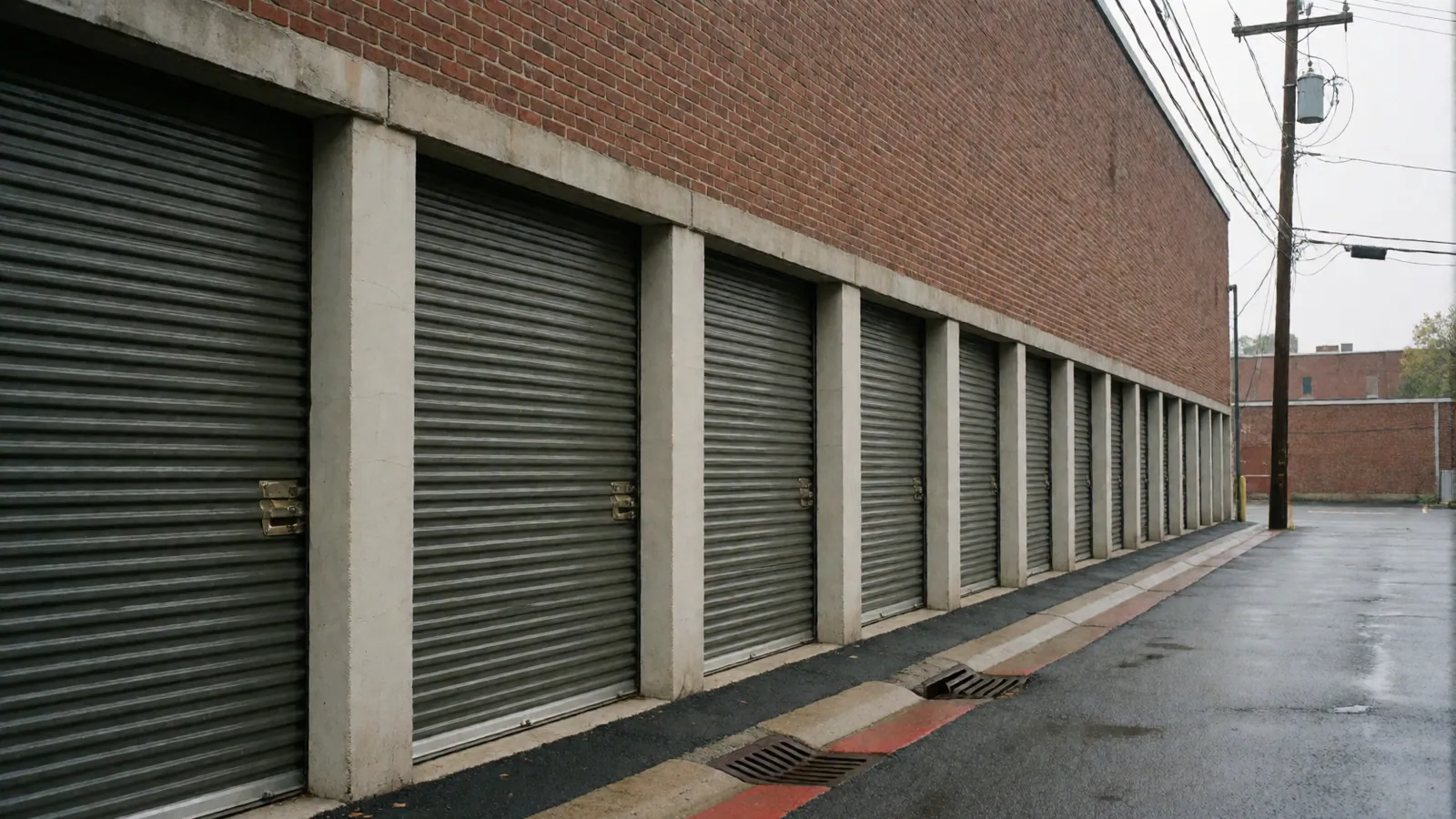
A row of closed drive-up storage doors in a brick yard on an overcast morning, running away from the camera in perspective over wet asphalt

What we store

Drive-up storage: back the van to the door

Thirty ground-level bays off a working yard, roller doors wide enough for a van, and nothing between the tailgate and the unit but the width of the door.

Indoor against drive-up

The choice this building actually offers is not about which is better — it is about which of two different buildings you would rather be dealing with. Both are described plainly below, including what each one costs you that the other does not.

Indoor, climate controlled

Floors two, three and four, reached from the loading bay by a goods lift that takes a trolley and two people. Warmer in January and cooler in July than anything outdoors in this borough, and quieter — an indoor unit is a room in a building rather than a door on a yard.

Good for. Furniture, anything upholstered, papers, electronics, instruments, and anything being stored for more than a season.

What it costs you. You carry it from the bay to the lift and from the lift to the door. On the fourth floor that is about forty feet of corridor.
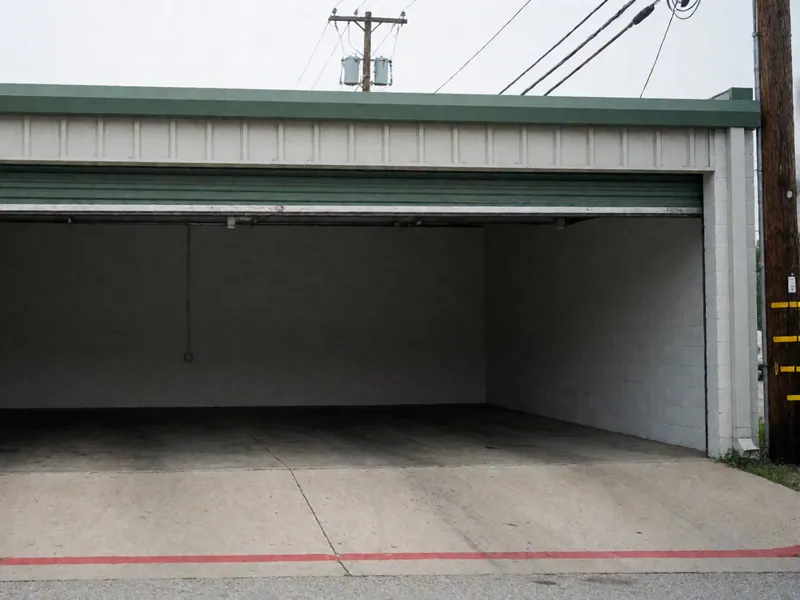
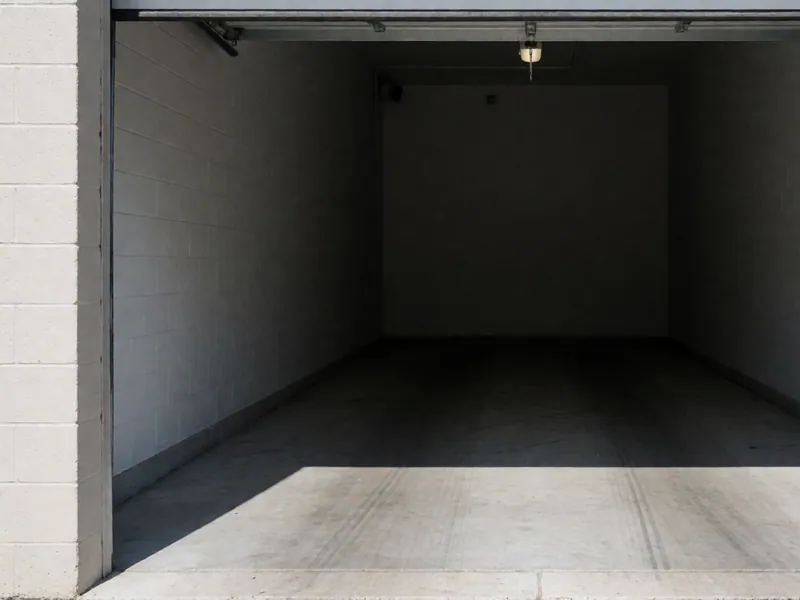
Drive-up, at ground level

Ten-foot roller doors off the yard, with room to reverse a van to the threshold. No lift, no corridor and no trolley between the tailgate and the unit, which is the whole argument for them.

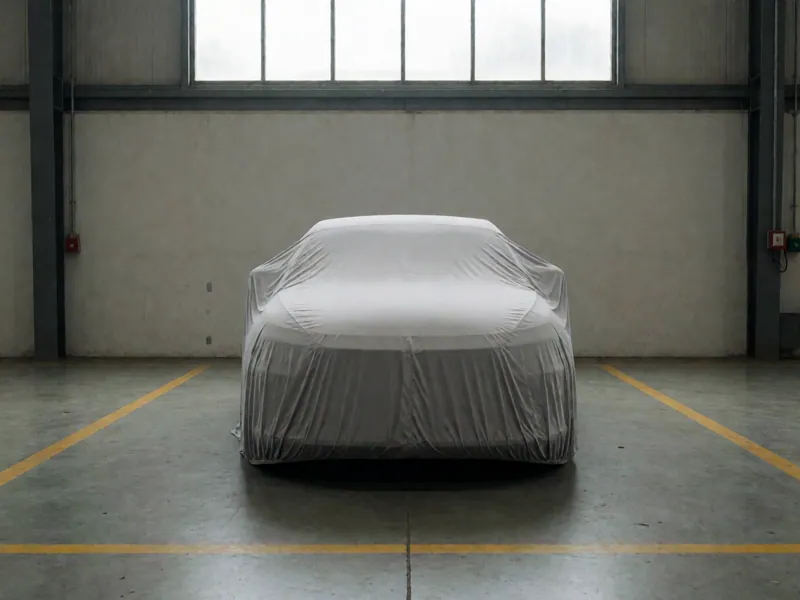
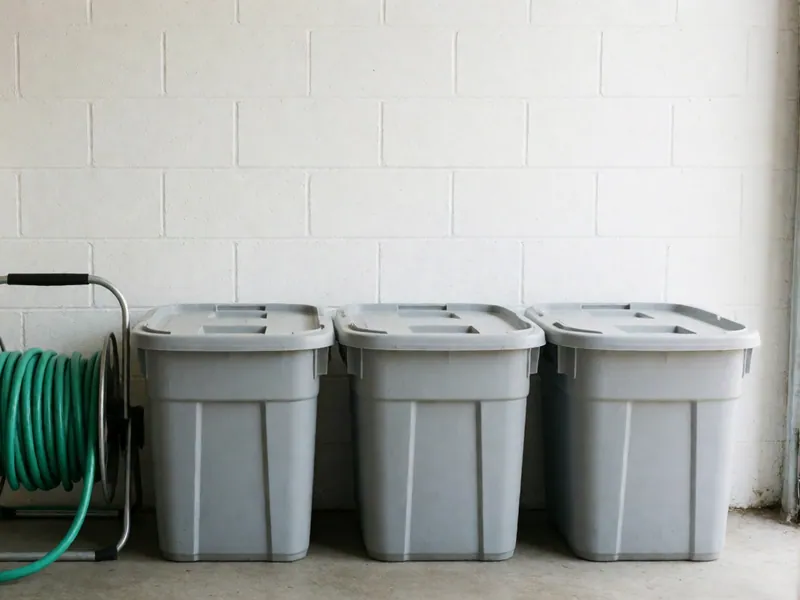
Good for. Tools, materials, stock that moves weekly, garden and seasonal things, and a covered vehicle in the largest bay.

What it costs you. No climate control, and the yard is weather. A wet unload is a wet unload, and what you put in the unit is at the temperature Queens is that day.

Why there are only thirty

There are thirty drive-up bays here and they are the scarcest thing in the building. That is not an accident of our layout: land in western Queens is expensive enough that almost every facility near here is stacked upward rather than spread across a yard, and a true drive-up unit is genuinely hard to find between the river and the airport. These exist because this was a factory with a loading yard before it was a storage building, and the yard came with it.

The distinction matters more here than the word usually implies. Plenty of buildings in this borough call a staffed loading dock and a freight lift “drive-up,” because the truck does at least reach the building. These thirty are the plainer version: a real yard, a kerb line painted on the apron, and a roller door at the height of a van's own tailgate, with nobody else's lift or corridor in between.

What an unload here is actually like

The bay is outdoors before it is anything else. You reverse to the threshold, roll the door up, and everything that happens next happens in whatever Queens is doing that morning — rain across the apron, ice at the kerb in January, or a July afternoon with the tar gone soft underfoot. A wet unload is a wet unload, and nothing about the door changes that.

What it buys you in exchange is a straight line: no trolley, no lift queue behind somebody else's move, and no two-person minimum for anything you can lift into a van alone. For a delivery of lumber or a week's worth of tools, that straight line is worth more than a heated corridor.

What they actually suit

A contractor loading a van several times a week is the plainest case — a plumber or an electrician working across Queens with nowhere to leave a loaded van on the street overnight. A landscaper is a close second, rotating a mower out for a snow blower and back again every six months without the unit ever needing to notice the difference.

Stock that moves weekly, garden equipment, building materials and anything else that will not mind a Queens winter belongs here rather than upstairs. Furniture, paper and anything upholstered belongs on the controlled floors instead — that is the other half of this argument.

The honest cost: no climate control

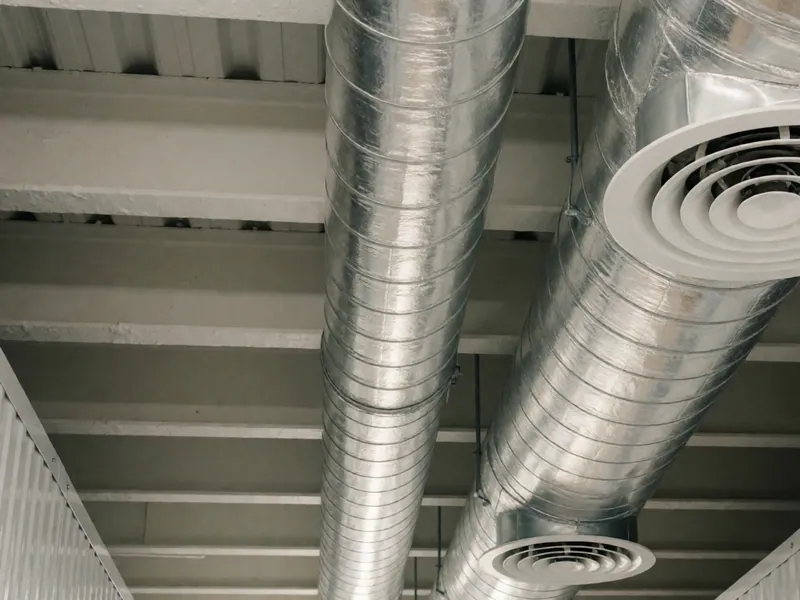
The plant that holds the four floors above between fifty-five and eighty degrees stops at the building's own wall. These bays sit outside it by design — that is what lets the door be wide enough for a van — and nothing in the yard is heated, cooled or dried at any point in the year.

It is also the cheaper way to store a given footprint, for the plain reason that conditioning a room costs money and a yard does not need it. The rate for each bay is on the size card below, printed exactly as it is everywhere else on this site.

Sizes that suit this

Both drive-up bays this building has, in size order.

200 sq ft · Not climate controlled

10 x 20 drive-up

Back the van up to the door and unload straight in.

$360 a month · $180 for the first

300 sq ft · Not climate controlled

10 x 30 drive-up

The largest thing we let, and the one a car fits in.

$480 a month · $240 for the first

The other five ways to store something here

The rest of what this building does, one page each.

Business storage

Stock, records and tools, with deliveries signed for at the desk.

Student storage

The gap between a lease that ends in May and one that starts in August.

Seasonal storage

Coats, skis, patio furniture and the boxes that live in a hallway.

Hold a unit for the day you are moving

Pick a size and a move-in date in the next thirty days, and one unit of that size comes out of the pool and waits for you. Nothing is paid, nothing is signed, and the form will not offer you a day on which that size is full.