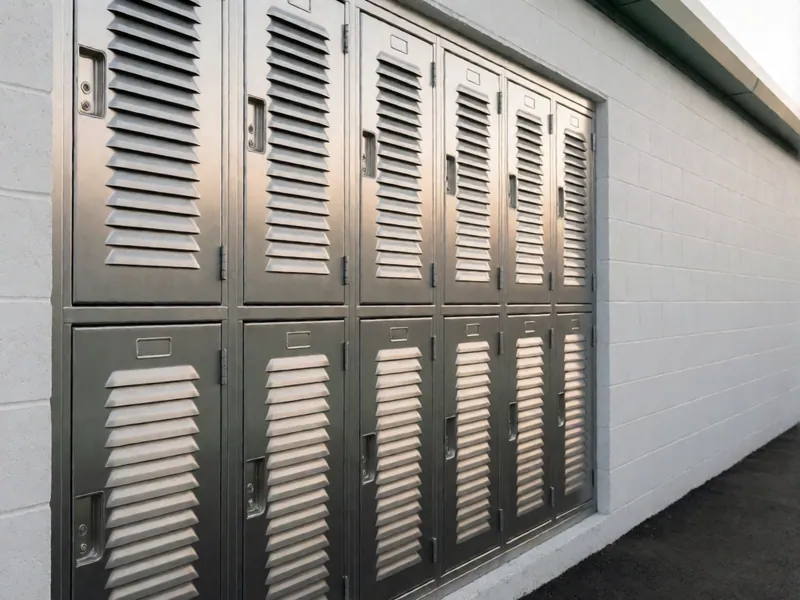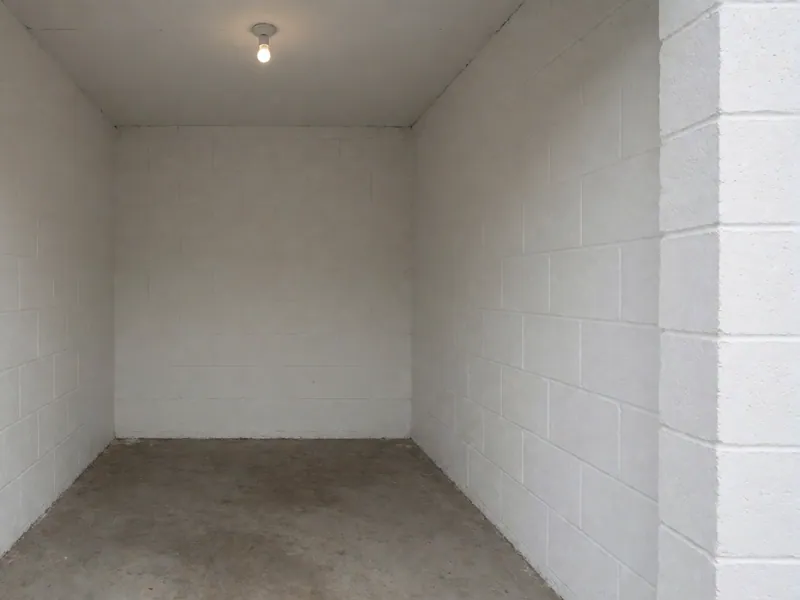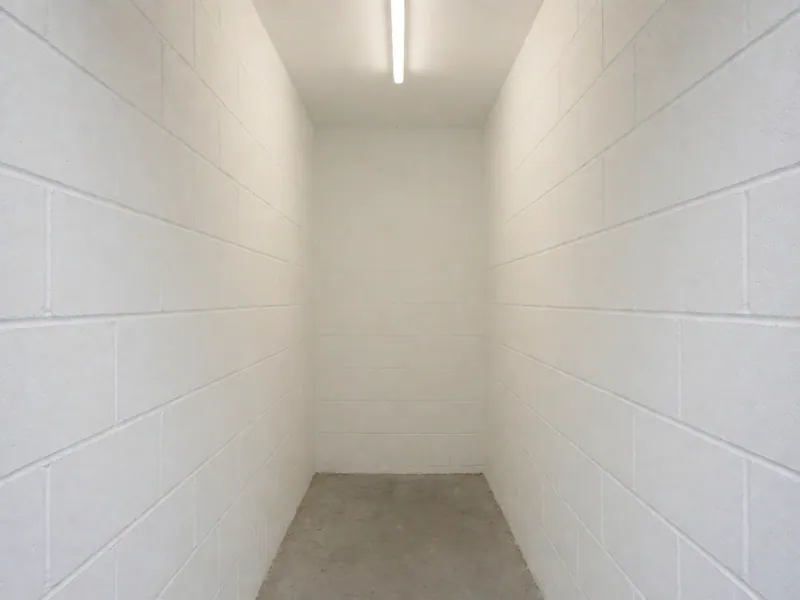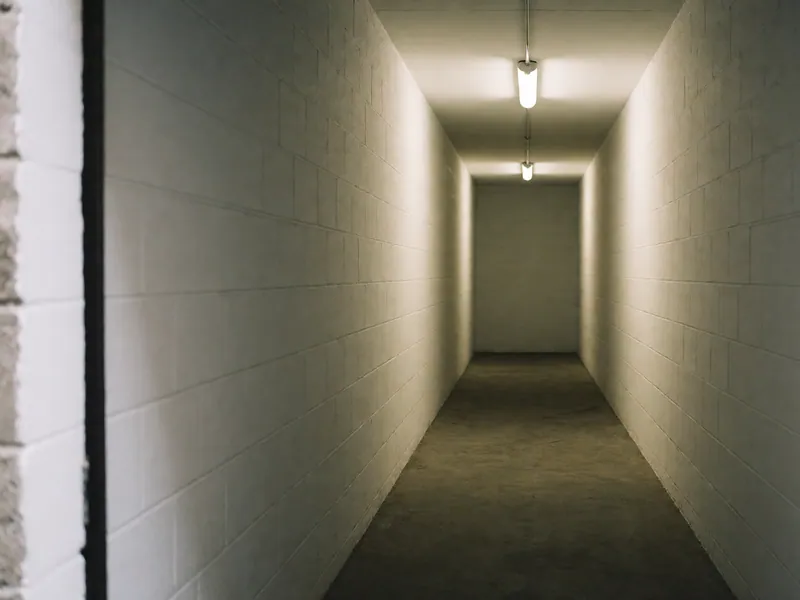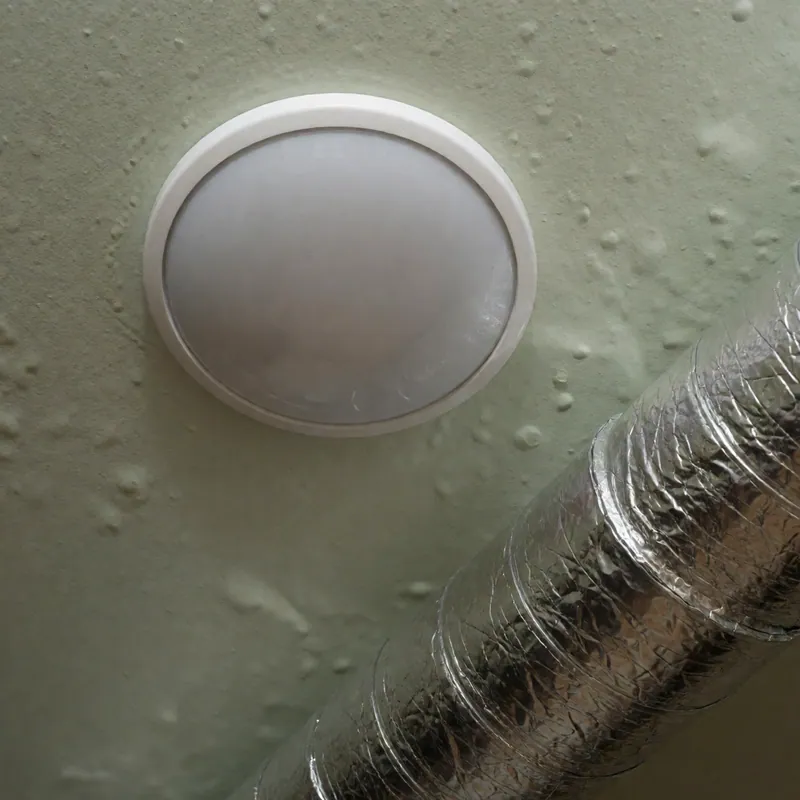
The plant that does the work. It runs whenever the building is occupied, and whenever the sensors decide it should.
37-32 61st Street, Woodside, NY 11377
What we store
Six of the eight sizes here are heated and humidity-controlled; the two drive-up bays are not, and the difference is worth choosing on purpose.
What climate control on this building actually is, what it protects, and what it does not do. Two of the eight sizes here are not climate controlled, and there is no attempt below to make that sound better than it is.
The four indoor floors are held between fifty-five and eighty degrees Fahrenheit, and the humidity between thirty-five and sixty per cent. The plant runs whenever the building is occupied and whenever the sensors ask it to, which in a Queens January is most of the time.
New York gives a storage building two separate problems rather than one. A sub-freezing January can crack a glued joint or stiffen a leather seam; a wet Queens August can start mould in a sealed room within days. Climate control here is not one setting — it is a heater fighting the first and an air conditioner fighting the second, whichever one the season has actually brought.
It is also a property of the building rather than a promise about your particular door. A unit at the end of a run beside the loading bay, where the corridor door opens and shuts all day, runs a little differently from one in the middle of the third floor — the plant conditions the floor, not each room individually.
The phrase itself is not a defined term anywhere, in this trade or in law — two buildings can call very different equipment “climate controlled” and both be telling the truth about their own signage. What matters is the numbers behind the word, which is why this page states them rather than leaving the adjective to do the work on its own.
The plant that does the work. It runs whenever the building is occupied, and whenever the sensors decide it should.
Anybody storing furniture, anything upholstered, papers, photographs, electronics or a musical instrument for more than a season is the person these floors are for. So is anybody storing for longer than about six months, because the bays outside cycle through a whole winter and a whole summer and the controlled floors do not.
Metal tools, garden equipment, sealed bins of anything that is not fabric, building materials and car parts do not care either way, which is exactly the case the drive-up bays make for themselves.
Paper is its own case and a common one: photographs stick together, books cockle, and a small business's own archive is exactly the kind of thing a season in an unheated corner is unkind to.
Some of what goes into a unit does not notice a season at all. The list below is the other kind, followed by what climate control here does not do — in the same voice as what it does.
| What | Why it minds |
|---|---|
| Timber furniture | Joints open and close with humidity. A dining table that spends a January at eighty per cent humidity and a July at thirty comes out with a split leaf. |
| Upholstery, mattresses and clothing | Mould needs damp and still air, and a sealed unit in an unheated building provides both. This is the commonest single thing that goes wrong in storage. |
| Photographs, books and paper | Paper is hygroscopic. Photographs stick to each other; books cockle and then foxing follows. |
| Anything electronic | Condensation forms on a cold circuit board when warm air reaches it, which is every spring morning in an uncontrolled unit. |
| Musical instruments | A guitar or a violin is a humidity instrument with strings attached. A season at either extreme is enough. |
| Candles, vinyl records and anything waxed | Heat, not cold, is what gets these. An uncontrolled unit under a flat roof in July is hotter than the yard outside it. |
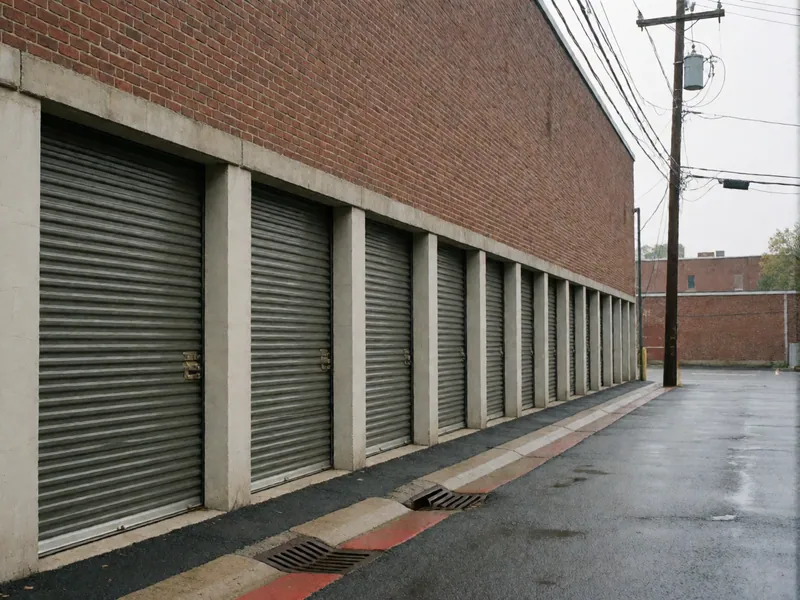
In the building's own numbers: six of the eight sizes are on the four controlled floors, and two are the drive-up bays off the yard.
The honest rule of thumb: if the thing would be unhappy in an unheated garage for a year, take a controlled unit. If it would not, the drive-up bays are cheaper per square foot and you can back a van to the door.
That is also the shape of the promise this building actually makes: a number for the temperature and a number for the humidity, printed on the agreement, rather than a word with nothing behind it. A word costs nothing to say and nothing to check; a number is the kind of promise a building either keeps or does not.
All six controlled sizes, indoors on floors two to four, from a locker to a small apartment's worth of room.
16 sq ft · Climate controlled
A locked box at chest height, for papers and a season's clothes.
$40 a month · $20 for the first
25 sq ft · Climate controlled
A walk-in closet with a door you lock yourself.
$70 a month · $35 for the first
50 sq ft · Climate controlled
The size most people actually take.
$120 a month · $60 for the first
75 sq ft · Climate controlled
Long and narrow, for things that are long and narrow.
$160 a month · $80 for the first
100 sq ft · Climate controlled
A small bedroom, emptied into a room of its own.
$220 a month · $110 for the first
150 sq ft · Climate controlled
A whole apartment, with an aisle down the middle.
$300 a month · $150 for the first
The rest of what this building does, one page each.
Ground-level bays with no lift between the van and the door.
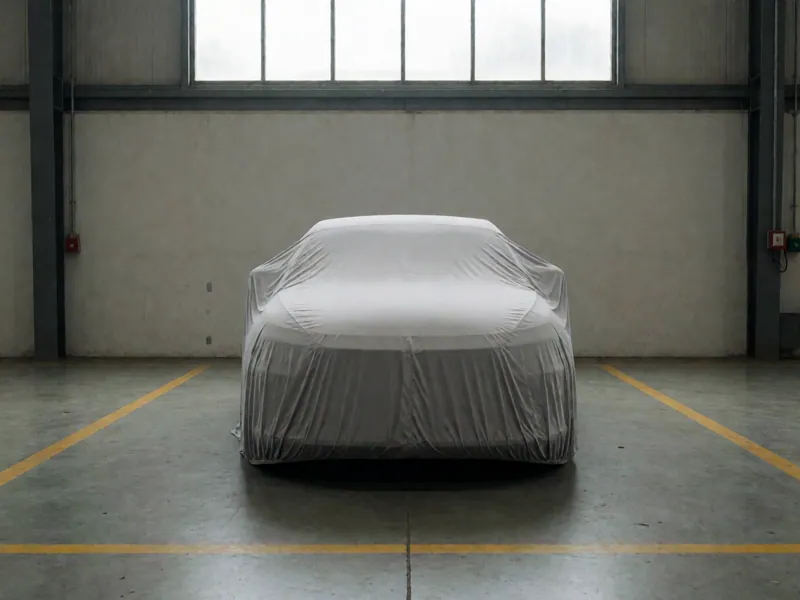
A covered car or two motorcycles, in a drive-up bay.
Stock, records and tools, with deliveries signed for at the desk.
The gap between a lease that ends in May and one that starts in August.
Coats, skis, patio furniture and the boxes that live in a hallway.
Pick a size and a move-in date in the next thirty days, and one unit of that size comes out of the pool and waits for you. Nothing is paid, nothing is signed, and the form will not offer you a day on which that size is full.